
Celebrating the People Behind the Mission.
Discover the members who are shaping our community and advancing our purpose.
Member Spotlight: Advancing Global Vascular Care
NavYash Gupta, MD, FACS
Professor of Surgery, Cedars-Sinai Medical Center
Medical Director, Venous Program
With more than 25 years in practice, our featured member is a Professor of Surgery at Cedars-Sinai Medical Center and serves as Medical Director of the Venous Program. Prior to relocating to Los Angeles, he was Chief of the Division of Vascular Surgery at NorthShore University Health System in Evanston, Illinois from 2009 to 2017. Throughout his career, he has remained deeply engaged in clinical and translational research, with a strong commitment to teaching and mentoring. His professional interests include hemodialysis access, venous disease, and global health.
Growing up in a small town in Zambia, his early life shaped a global perspective that continues to influence his work today. After coming to the United States for his education, he maintained a strong awareness of healthcare disparities in resource-limited settings. This perspective led him to join the Hackett Hemwall Patterson Foundation (HHPF) and the World Health Access Team (WHAT) on medical missions to Honduras, where he provides care for patients with varcular disease processes.
The mission trips were primarily focused on treating venous disease, however, during these trips, he observed a critical public health crisis: an epidemic of renal failure in Honduras. With no access to renal transplantation and wait times of two to three years for arteriovenous (AV) fistulas, many patients rely on temporary chest catheters—placing them at high risk for infection, venous stenosis, and catheter dislodgement. In response, he spearheaded the establishment of a Hemodialysis Access Program in collaboration with local nephrologists and a Honduran vascular surgeon. The program has grown rapidly due to overwhelming need and continues to transform care for patients with end-stage renal disease.
The primary focus of this work is creating safe and reliable dialysis access through primary AV fistulas and, when necessary, converting temporary catheters to tunneled catheters. The program also serves as a valuable educational platform, involving general surgery residents and vascular surgery fellows in both clinical care and surgical procedures.
Recognizing the importance of data and quality improvement, several Cedars-Sinai general surgery residents developed a custom electronic data capture system for the program. This innovative e-toolbox has enabled systematic data collection, quality assurance, and clinical research, leading to multiple resident presentations at regional and national meetings.
Among his many initiatives, he is particularly proud of:
• Establishing and expanding the Hemodialysis Access Program
• Developing electronic health record tools for global health settings
• Advancing the use of 3D modeling to support endovascular aortic aneurysm repair
The impact on the local healthcare system in Honduras has been significant, with measurable reductions in temporary catheter use and increased education for local physicians.
One especially meaningful story involves a young patient advocate with end-stage renal disease who had experienced multiple failed dialysis accesses and even sold his car to afford another dialysis access procedure that lasted only months. Through vein mapping and surgical intervention, the team was able to create a primary AV fistula—offering him a safer and more durable option for dialysis moving forward.
Working in resource-limited environments brings challenges, including limited supplies, funding constraints, and difficulties with patient follow-up. These realities require careful patient selection, ongoing fundraising, and close collaboration with local hospitals and clinicians. Despite these challenges, he describes this work as one of the most gratifying experiences of his career.
For those interested in global health, his advice is simple: these missions are transformative. Beyond clinical work, they foster lifelong professional relationships and offer profound personal and professional growth. He encourages vascular surgeons, residents, fellows, and medical students to get involved and contribute their skills.
Ultimately, his experience underscores key lessons for the broader medical community: the importance of maximizing limited resources, collaborating with local providers, and recognizing how service, education, and partnership can strengthen healthcare systems in underserved regions.
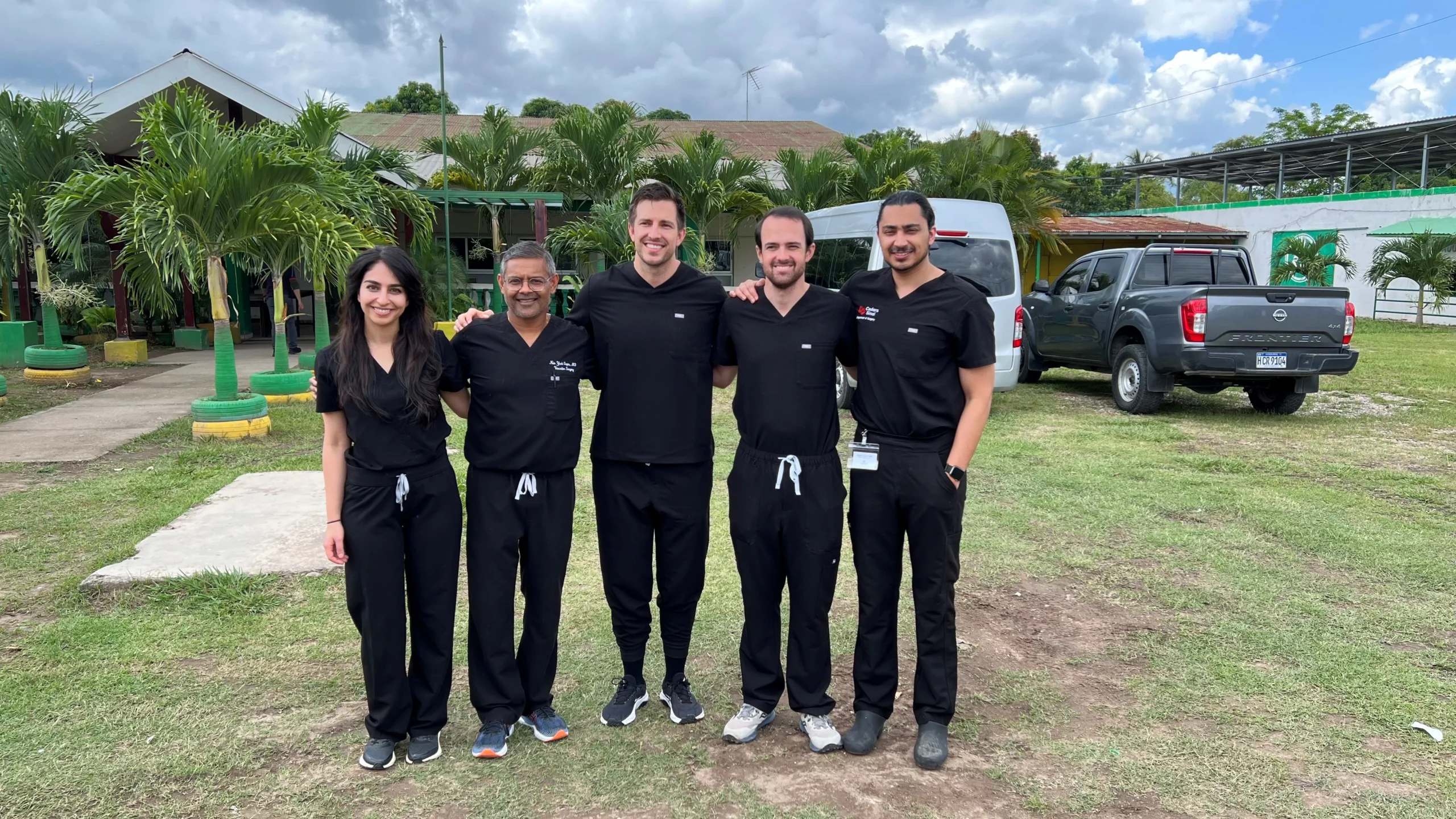
Cedars Residents Fellows 2025
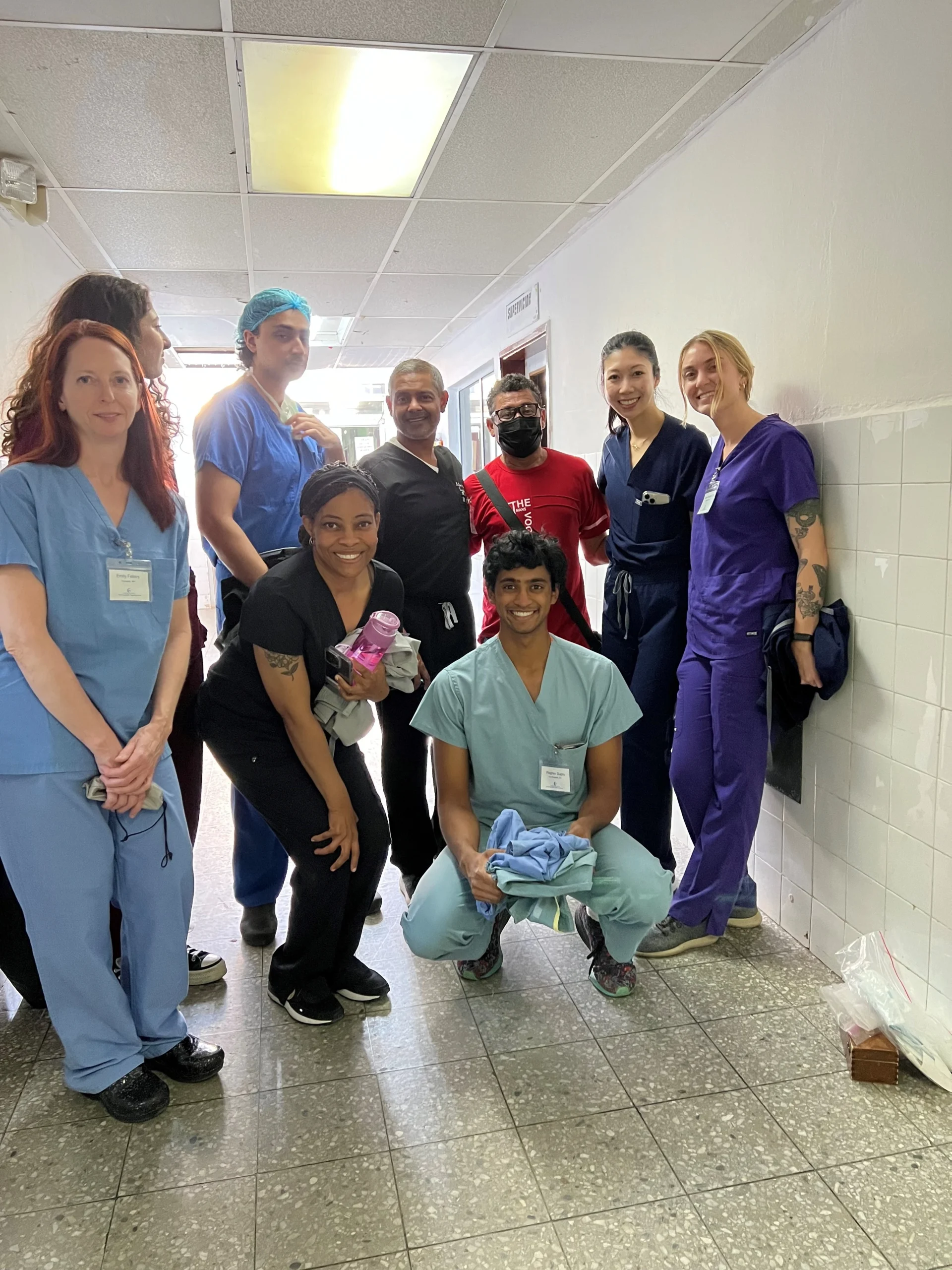
Grateful Family
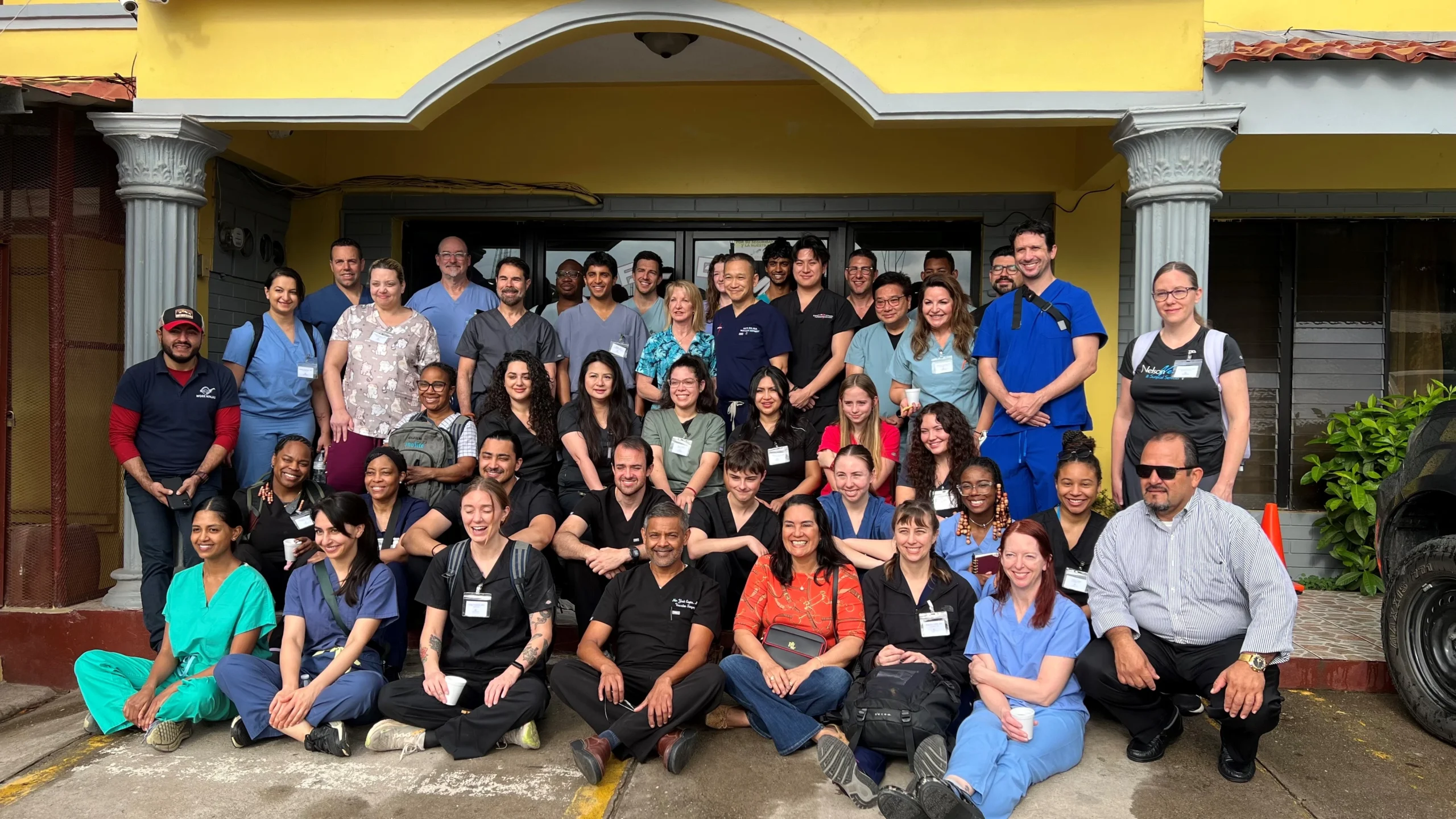
The Olanchito Team 2025
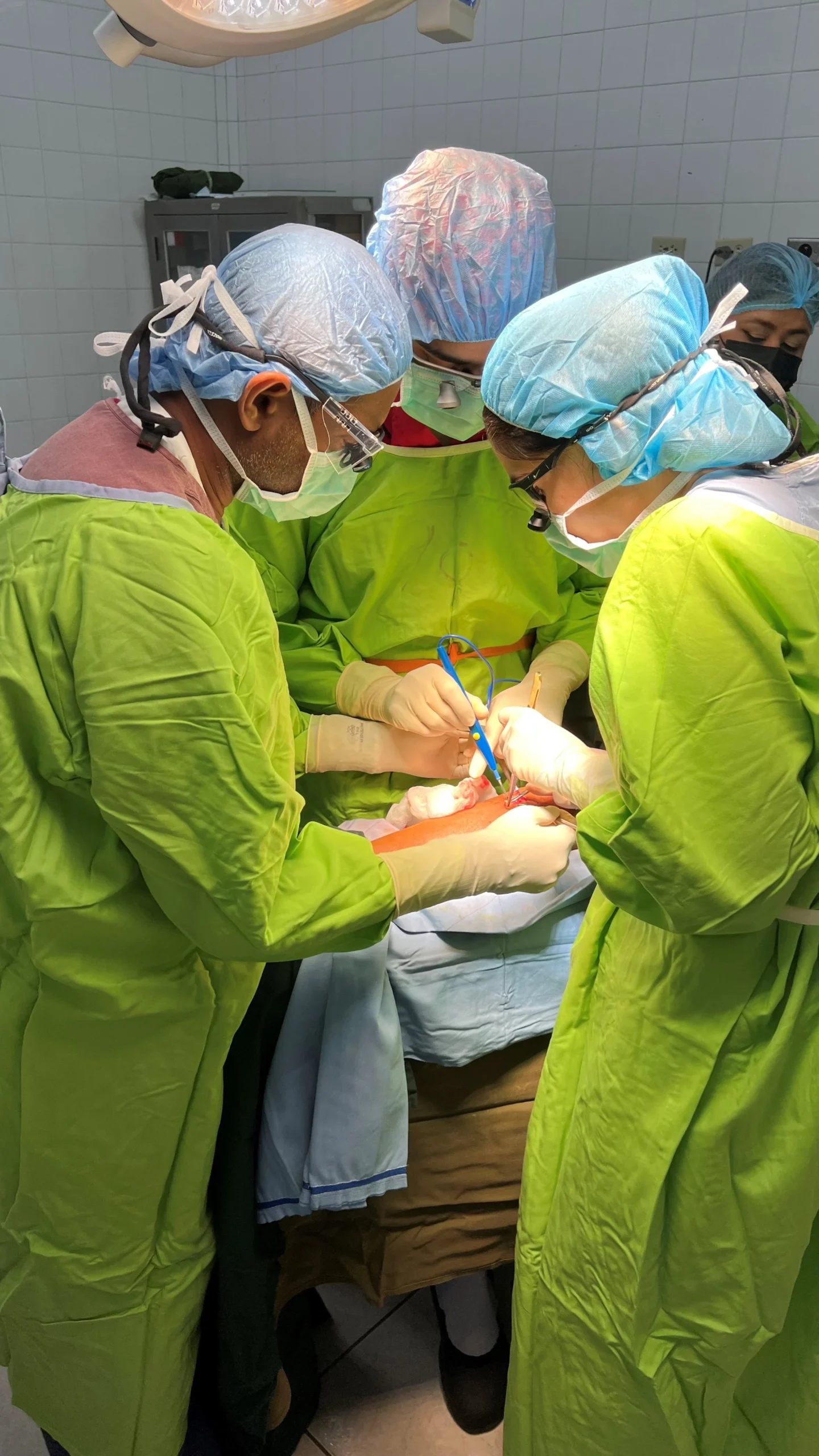
AV Fistula Creation

EVAR Team Honduras
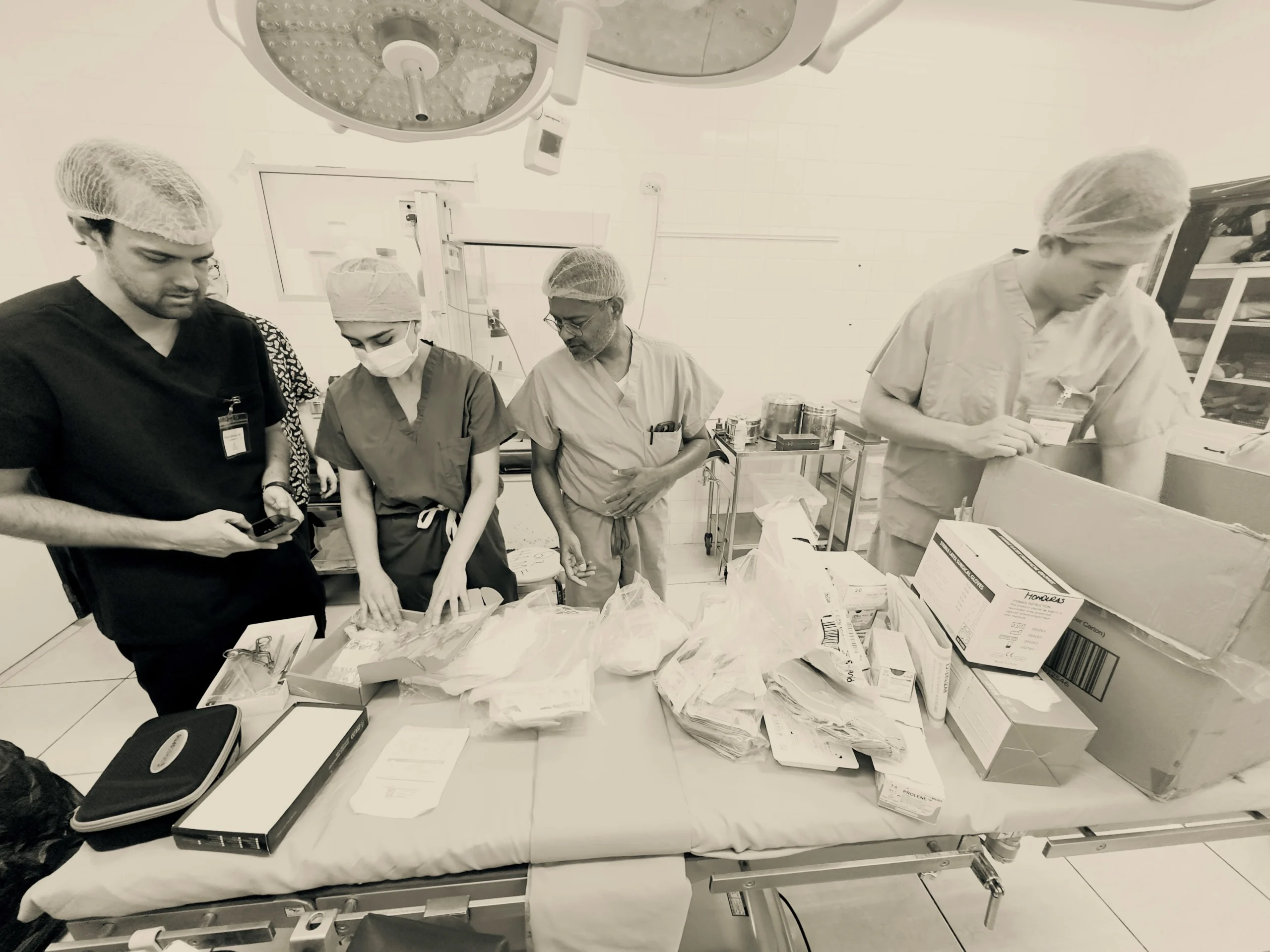
Prep Work
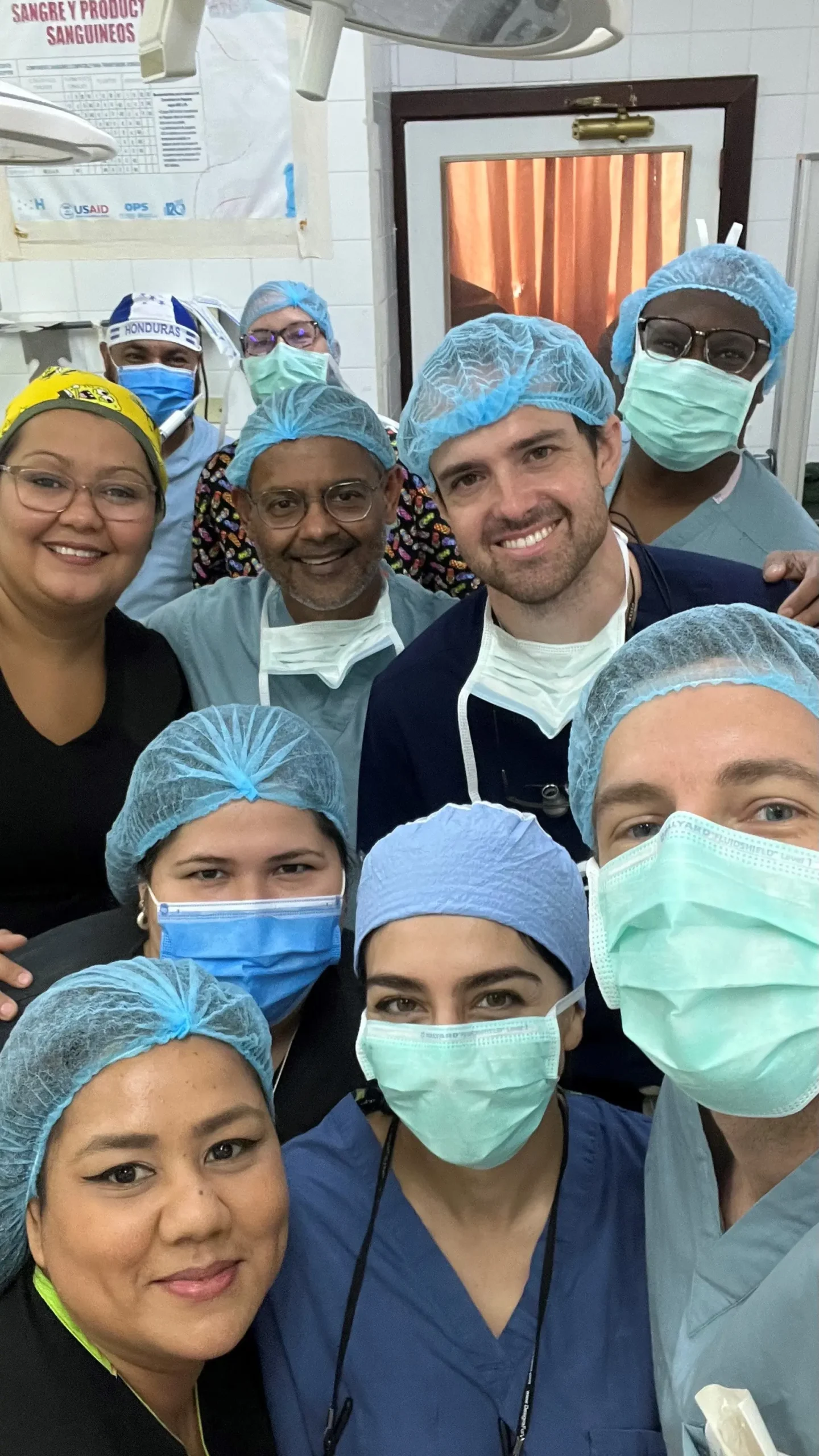
OR Team Olanchito
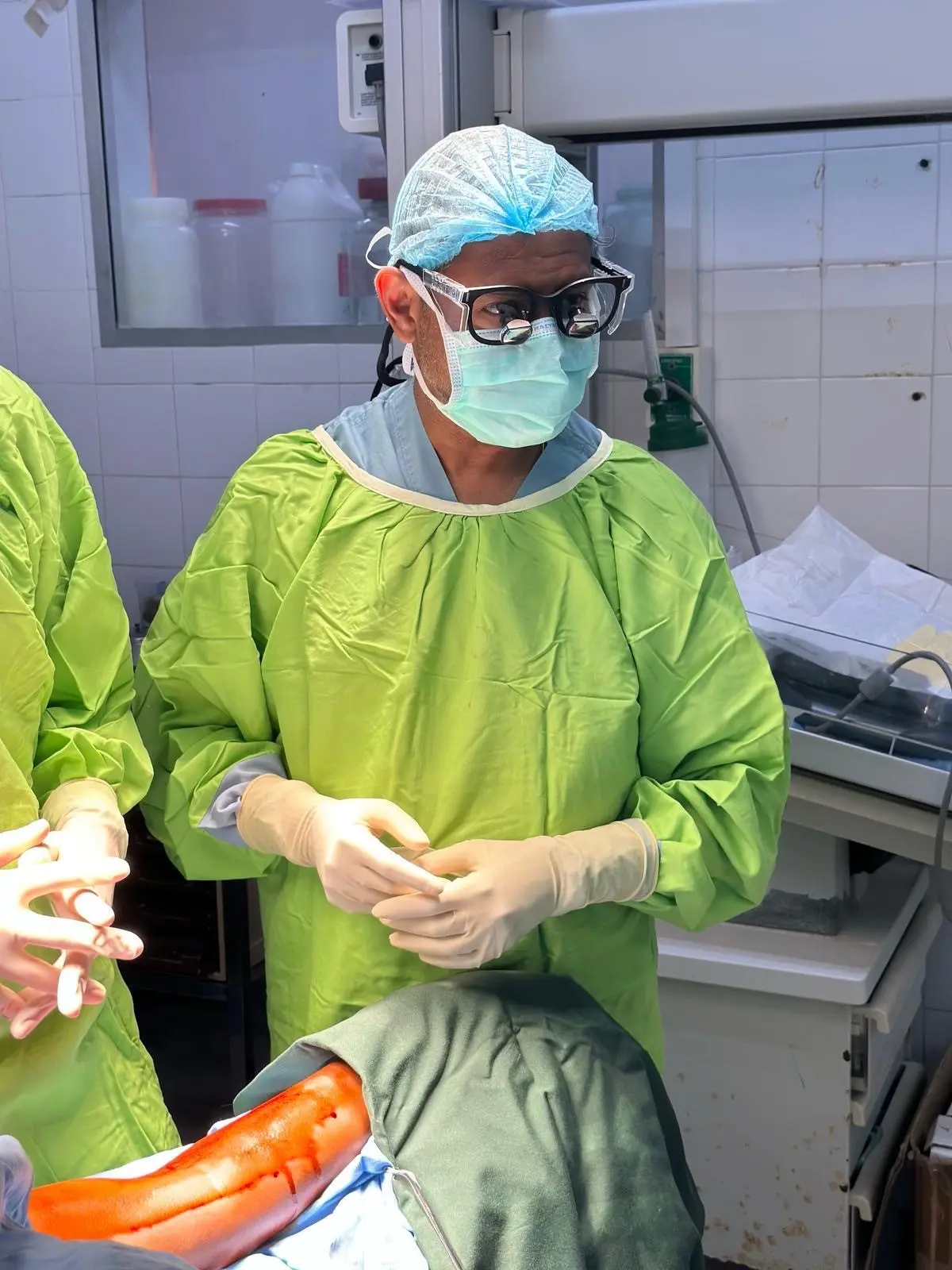
In the OR1770948229
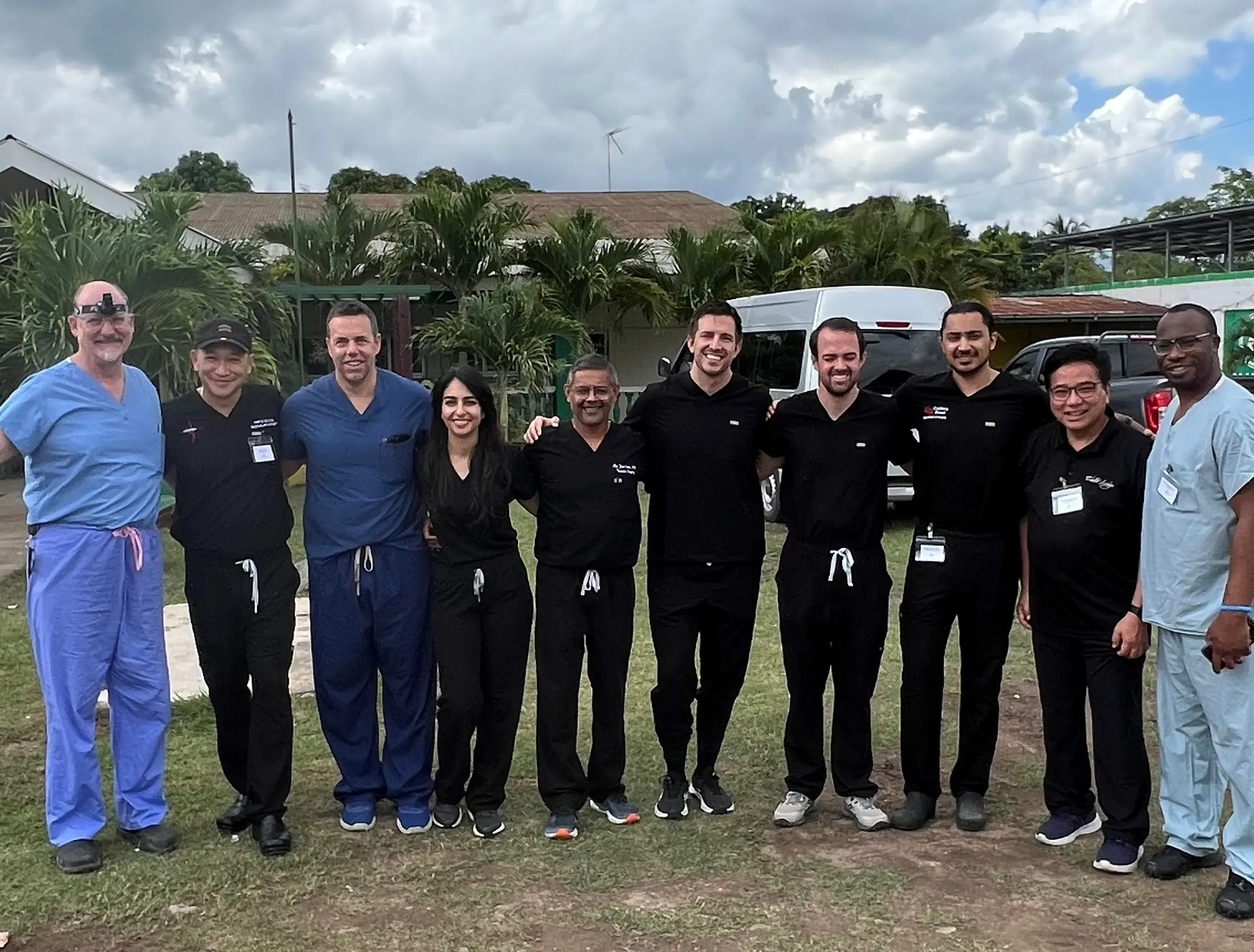
Vascular Surgeons 20251770948228
Support Our Mission. Expand Our Impact.
Help SAAVS empower the next generation of vascular surgeons through mentorship, education, and international collaboration.